Being in the right place first
Fast reactions catch the moment after the moment. Knowing the running order catches the moment itself.
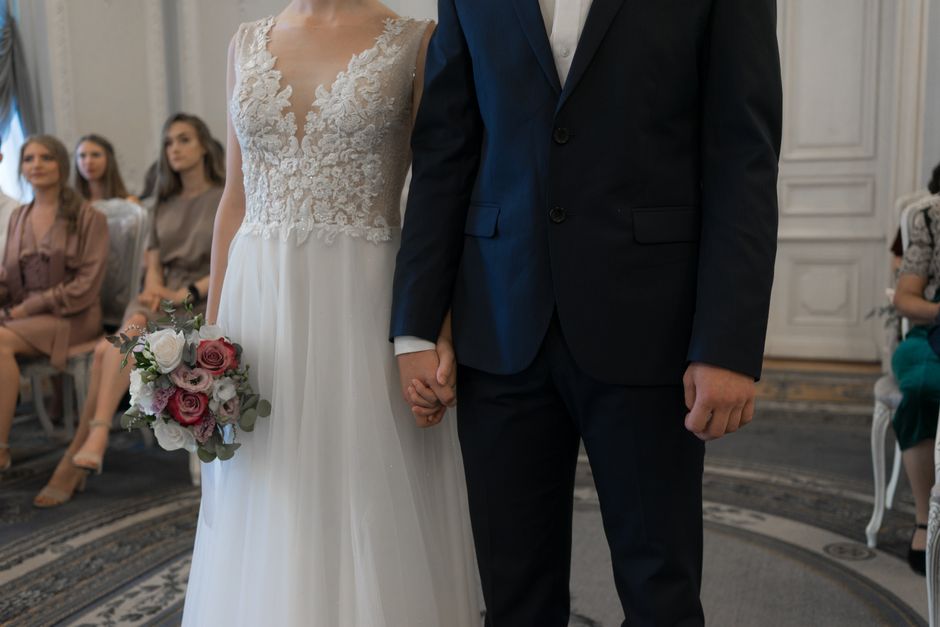
Weddings are predictable
The structure repeats: arrival, waiting, ceremony, the gap afterwards, speeches, the first dance. Within that structure the emotional peaks land in the same places almost every time, which means position matters more than speed.
Watch the people not doing anything
During vows, the couple are occupied and composed. The parents are not. A great deal of the work that clients cry over later is of people watching, in the rows, during the parts when nothing is formally happening.
The gap after the ceremony
The twenty minutes between ceremony and sit-down are loose, happy and unstructured, and they produce more usable frames than any scheduled portrait session. Protecting that window from the schedule is worth arguing for at the planning stage.
Posed work still has a place
Family groups are the pictures that end up framed in other people's houses, and nobody thanks you for an artistic interpretation of them. Do them efficiently, from a written list, early, while everyone is still findable.
Knowing when to disappear
There are parts of a wedding where the right decision is to stop photographing: a private moment that was not meant to be shared, a family tension surfacing, someone who has clearly had enough of the camera. Clients rarely remember the frames you did not take, but they remember the feeling of being watched all day, and it shapes whether they recommend you.